Busy Parents' Guide: Smart Strategies for Creative School Lunches
The daily ritual of packing school lunches can often feel like a culinary marathon, especially for busy parents juggling myriad responsibilities. Between ensuring nutritional balance, catering to picky palates, and battling the clock, it's easy to fall into a routine of repetitive and uninspiring meals. However, transforming the humble lunchbox into a source of excitement and nourishment doesn't have to be a daunting task. With a bit of planning and a dash of creativity, you can provide your children with delightful and healthy meals they'll actually look forward to eating.
This guide draws inspiration from expert advice, echoing the philosophy found in resources like registered dietitian Katie Sullivan Morford's renowned cookbook,
Best Lunch Box Ever: Ideas and Recipes for School Lunches Kids Will Love. Morford, a mother of three and founder of the Mom's Kitchen Handbook blog, demonstrates that crafting appealing, healthful lunches is entirely achievable, even for the most time-strapped families. Her insights, praised by nutrition experts and critics alike, offer a refreshing, no-nonsense approach to escaping repetitive lunch routines and fostering good eating habits.
The Daily Lunchbox Dilemma: More Than Just Food
For many parents, the pressure of packing school lunches extends far beyond simply putting food in a container. It's a complex equation involving nutrition, child preferences, food safety, and even environmental considerations. The goal isn't just to fill a stomach; it's to provide sustained energy for learning, support healthy growth, and encourage a positive relationship with food.
Children need a balanced intake of macronutrients (carbohydrates, proteins, fats) and micronutrients (vitamins, minerals) to fuel their developing bodies and minds. A lunch that is appealing both visually and texturally is far more likely to be eaten, reducing food waste and ensuring your child receives the fuel they need for a productive afternoon. This is where creative
school lunch ideas come into play, transforming mundane meals into mini feasts that tempt even the fussiest eaters. The challenge, then, becomes how to marry health and appeal with the practicalities of a busy family schedule.
Expert Strategies for Wholesome & Engaging School Lunch Ideas
Creating a diverse and appealing lunchbox doesn't require gourmet cooking skills or endless hours in the kitchen. It’s about smart choices, thoughtful presentation, and a willingness to think outside the traditional sandwich box.
Embracing Nutritional Foundations
At the heart of any healthy lunch are core nutritional components. Morford's approach, strongly supported by dietitians, champions the inclusion of:
*
Whole Grains: Provide sustained energy. Think whole wheat bread, pita pockets, quinoa, or brown rice.
*
Lean Proteins: Essential for growth and feeling full. Examples include turkey, chicken, hard-boiled eggs, hummus, beans, or cheese.
*
Fruits and Vegetables: Packed with vitamins, minerals, and fiber. Aim for a variety of colors.
*
Healthy Fats: Crucial for brain development and nutrient absorption. Avocados, nuts (if allowed by school policy), seeds, and olive oil are excellent sources.
Instead of strict rules, consider these categories as building blocks. A diverse range within each category ensures a wider spectrum of nutrients and keeps things interesting. For instance, alternate between berries and sliced apples for fruit, or vary your protein sources throughout the week. For more detailed guidance on balanced meals, you might find value in exploring resources on
Healthy School Lunches Kids Actually Eat: A Dietitian's Guide.
Beyond the Sandwich: Creative Formats Kids Love
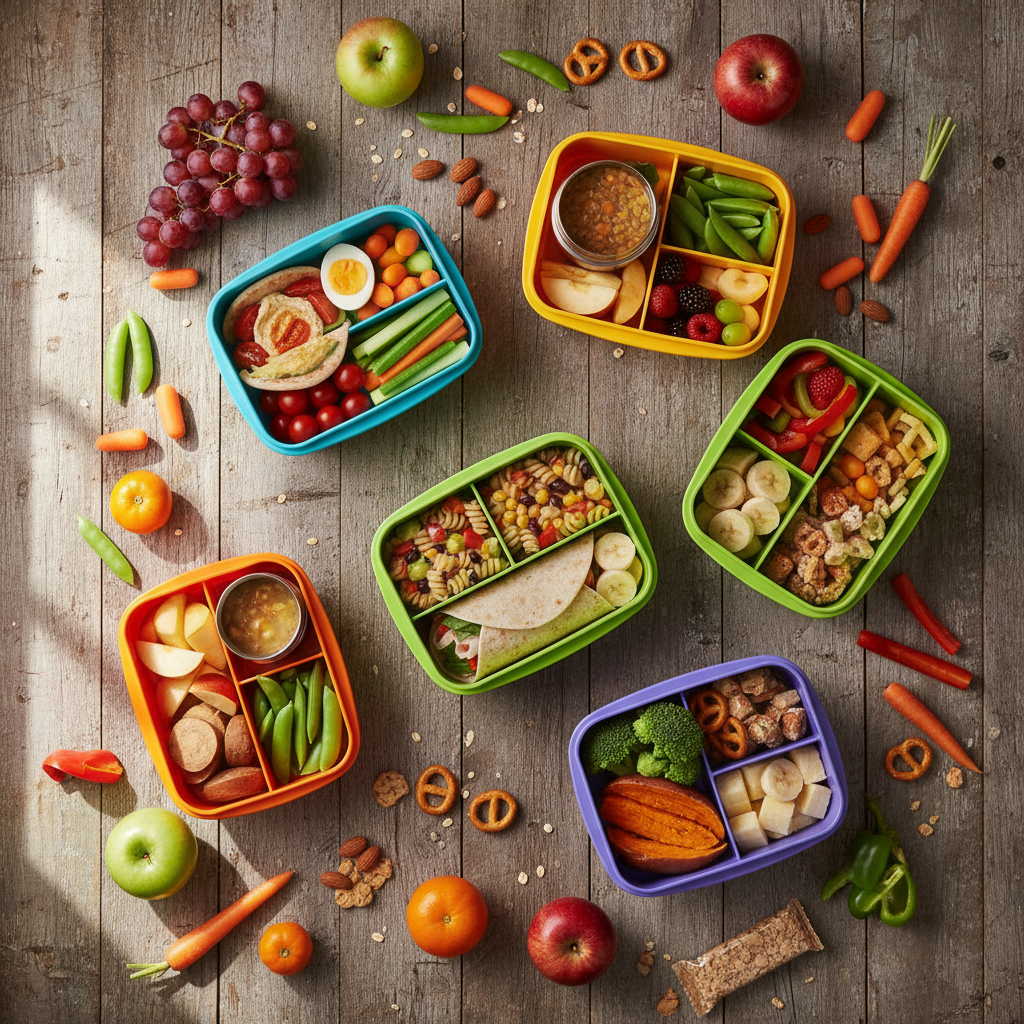
One of the most effective ways to encourage children to eat their lunch is to make it fun and easy to consume. Forget the same old sandwich every day! Experts like Morford advocate for imaginative formats that transform familiar ingredients into exciting new experiences:
*
Skewers: Deconstructed Caprese Skewers (cherry tomatoes, mozzarella balls, basil) or fruit skewers are always a hit. They’re visually appealing and mess-free.
*
Pinwheels and Wraps: Spread cream cheese or hummus on a tortilla, add turkey slices and spinach, roll it up tightly, and slice into pinwheels.
*
Dips: Pair carrot sticks, cucumber slices, or pita bread with hummus, guacamole, or a healthy yogurt dip.
*
Mini Pizzas: Pesto Pita Pizza, using whole wheat pita as a base, offers a customizable and warm option (if sent in a thermos).
*
Creative "Sandwiches": Crispy Applewiches (apple slices "sandwiched" with peanut butter or cream cheese and granola) or bell pepper "boats" filled with tuna salad add novelty.
*
Crunchy Snacks: Parmesan Kale Chips provide a surprisingly tasty and nutrient-dense alternative to traditional chips.
The trick is to present food in a way that feels novel and invites exploration. Bento box-style packing, using silicone dividers or small containers, can further enhance visual appeal and keep food separated.
The Power of Planning & Repurposing
Time is a precious commodity for busy parents. Strategic planning is your greatest ally in the lunch-packing battle.
*
Weekend Prep: Dedicate a small portion of your weekend to light meal prep. Wash and chop vegetables, portion out snacks, cook a batch of quinoa or hard-boil eggs.
*
Pantry Staples: Keep a well-stocked pantry with essentials like whole grain crackers, canned tuna or chicken, nuts (if allowed), dried fruit, and healthy dips.
*
Repurpose Leftovers: A cornerstone of efficient lunch packing. Cook extra dinner portions and transform them into next-day lunch. Leftover roasted chicken can become a wrap filling, pasta salad, or even a component of a "snack plate" lunch. Chili or soup can be kept warm in a thermos.
*
Seasonal Produce: Opting for seasonal fruits and vegetables often means better flavor and lower cost. It also encourages variety throughout the year.
By proactively managing your pantry and leveraging leftovers, you significantly reduce the daily stress of packing lunch.
Practical Tips for Busy Parents: Making Lunch Prep a Breeze
Beyond the food itself, several practical strategies can streamline the entire lunch-making process and foster healthier habits.
Involving Children in the Process
Empowering children to participate in lunch preparation is a game-changer. It gives them a sense of ownership, makes them more likely to eat what they packed, and teaches valuable life skills.
*
Age-Appropriate Tasks: Even toddlers can choose between two fruit options. Older children can wash vegetables, assemble skewers, or pack their own snacks.
*
Menu Planning: Involve them in brainstorming
school lunch ideas for the week. Give them limited choices – "Do you want carrots or cucumbers with your hummus?"
*
Learning About Food: Use this time to discuss nutrition, where food comes from, and why certain foods are healthy.
Eco-Friendly Packing Options
Making conscious choices about your lunchbox supplies can teach children about sustainability and reduce waste.
*
Reusable Containers: Invest in good quality, BPA-free containers of various sizes, including a thermos for warm meals.
*
Cloth Napkins & Utensils: Ditch disposable options for reusable ones.
*
Water Bottles: Encourage water over sugary drinks by sending a reusable water bottle daily.
Nutrition Basics & Beyond
While the focus is often on the main meal, remember the smaller details that contribute to a well-rounded lunch.
*
Hydration: Water is key.
*
Balanced Snacks: If packing additional snacks, ensure they complement the main meal rather than adding excessive sugar or empty calories.
*
Reading Labels: Briefly teach older children how to spot hidden sugars or unhealthy additives in packaged foods.
Breaking the Routine
The dreaded "lunch rut" is a common enemy. To keep things fresh, consider these tips:
*
Theme Days: "Taco Tuesday" (deconstructed tacos), "Mediterranean Monday" (hummus, pita, olives, feta).
*
Introducing New Foods: Offer new foods alongside familiar favorites in small portions. Don't force it, but keep offering.
*
Utilize Online Resources: There's a wealth of creative
school lunch ideas online. For more inspiration on variety, read our guide on how to
Escape Repetitive Lunches: Creative & Healthy School Meal Ideas.
Transforming Lunchtime: A Holistic Approach to Healthy Eating Habits
Ultimately, the effort invested in packing creative and healthy school lunches extends far beyond the midday meal. It's an integral part of fostering a child's overall well-being and establishing lifelong healthy eating habits. When children consistently receive nutritious and appealing food, they are better equipped to concentrate in class, participate in physical activities, and develop a positive relationship with food that can prevent issues like picky eating or unhealthy dietary choices later in life.
By making lunch a positive experience – one that is both nourishing and exciting – parents empower their children with the energy and focus needed to thrive. It’s about teaching them that healthy food can also be delicious and fun, laying a foundation that supports their physical and cognitive development for years to come.
Conclusion
Packing school lunches doesn't have to be a source of stress or monotony. By embracing smart strategies like nutritional planning, creative food formats, efficient prep, and involving children in the process, busy parents can consistently deliver wholesome and engaging meals. Drawing inspiration from experts and adopting a proactive approach transforms the daily lunchbox challenge into an opportunity to nurture healthy habits and delight your children. With these practical
school lunch ideas and tips, you can confidently pack lunches that are not only eaten but also eagerly anticipated, setting your child up for a day of learning and growth.